The key information a business or homeowner needs before requesting a Thermguard installation.
Brand | Thermguard | Product type | Blown cellulose fibre ceiling insulation |
Application | New roofs, retrofits and insulation top-ups | Installed R-value range | R2.50 to R3.38 at 100-135 mm |
Thermal conductivity | λ = 0.040 W/(m·K) | Material | Approximately 80% recycled newsprint |
Installation | Professionally blown into the roof space | Manufactured | South Africa |
Fire performance | Fire-retardant; B/B1/2 and B-s2,d0 classifications | Acoustic performance | NRC 0.80-0.90 at 100 mm and thicker |
Pest treatment | Treated to make the fibres unattractive to insects and rodents | Guarantee | Lifetime guarantee, subject to applicable terms |
Here are some of our previous projects


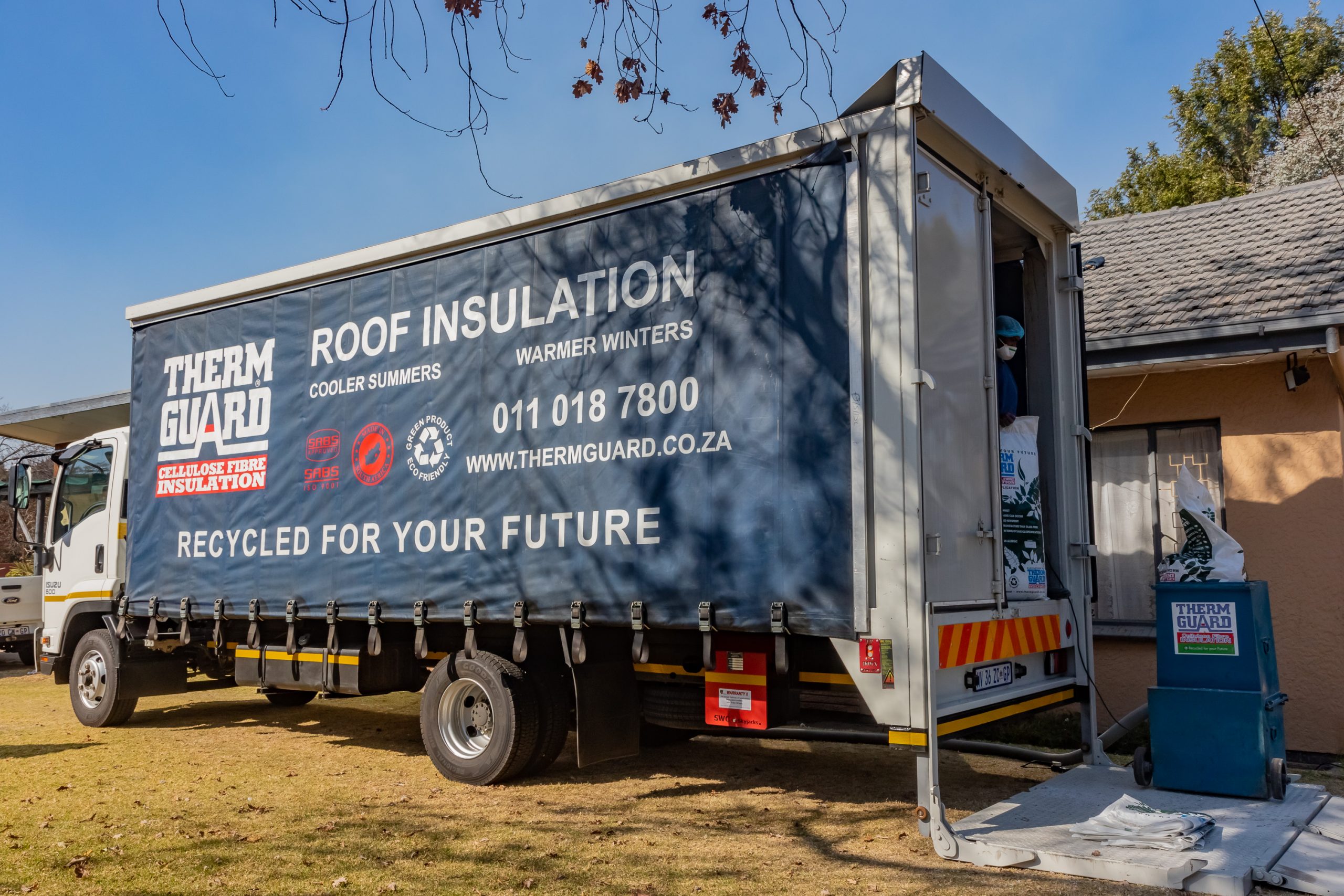

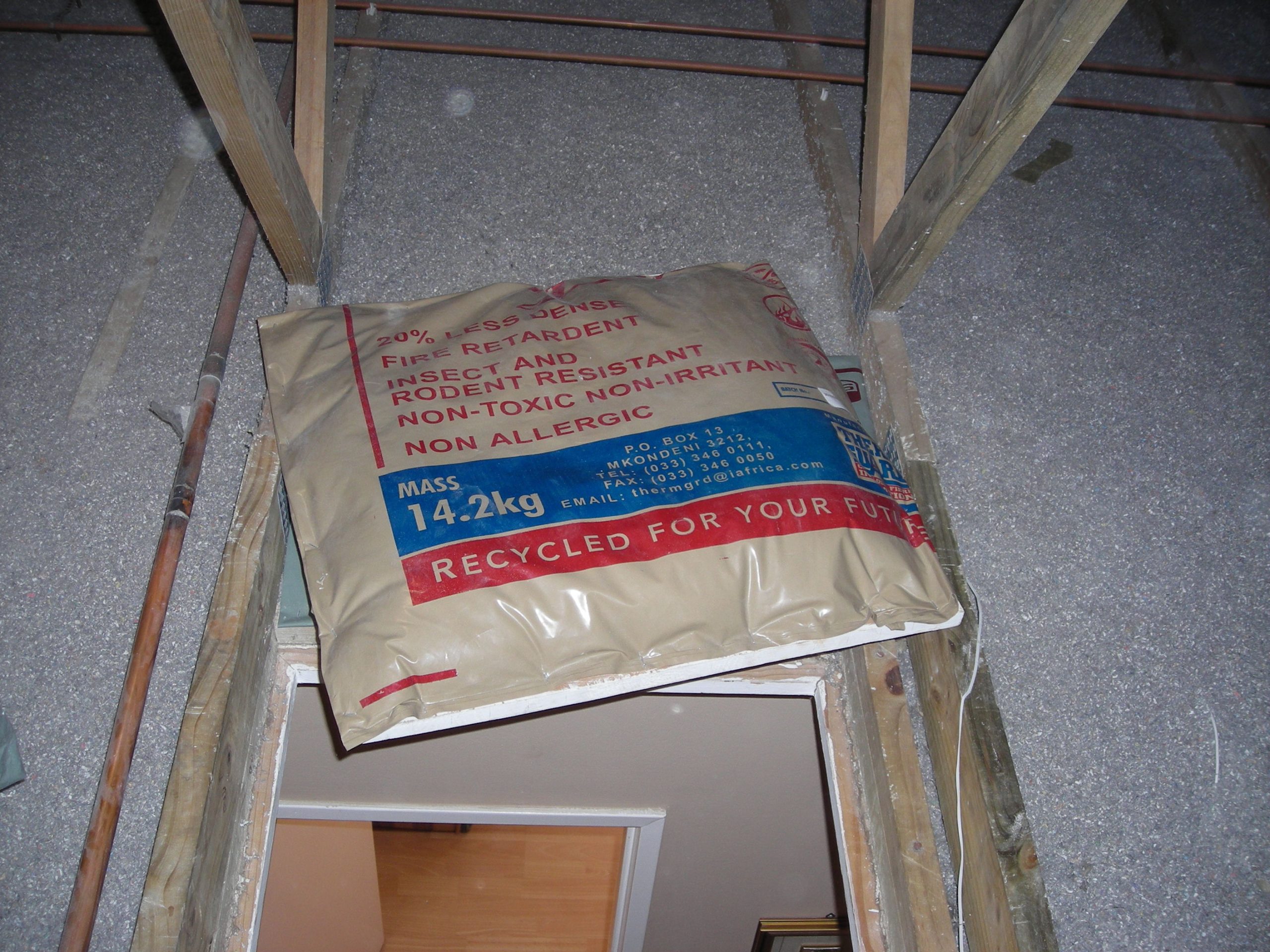

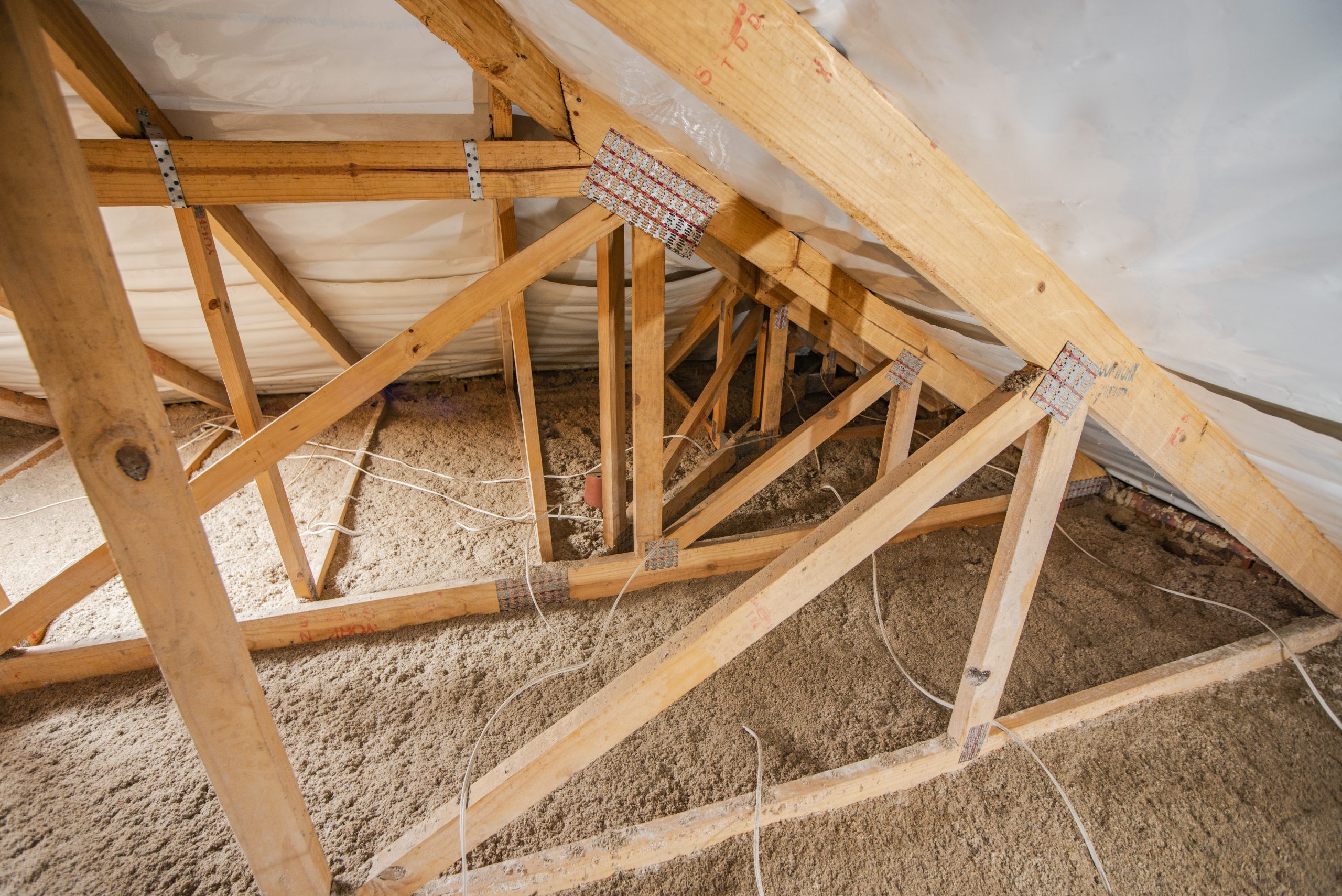

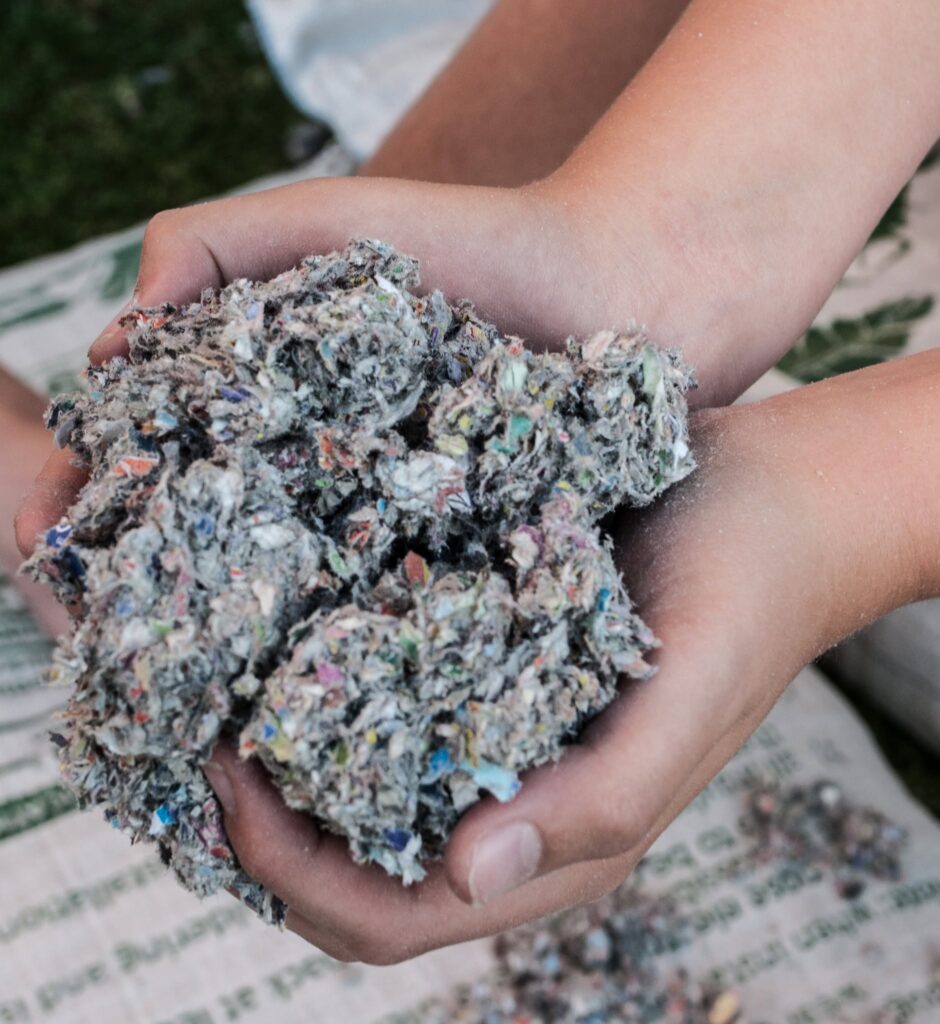
Thermguard is blown across the ceiling without cut joins. The loose fibres flow around trusses, joists, wiring and irregular areas that can be difficult to cover with pre-sized insulation.
Thermguard is manufactured primarily from recycled newsprint, diverting paper from landfill and giving it a valuable second use.
The trapped air within the cellulose layer slows heat transfer through the ceiling, helping reduce summer heat gain and winter heat loss.
Thermguard is treated with fire-retardant additives and carries published South African fire classifications. It must be described as fire-retardant, not fireproof.
The cellulose layer helps resist heat flow and absorb sound travelling through the roof space.
Its additives make the fibres unattractive to insects and rodents. This does not replace normal building maintenance or professional pest control where an infestation already exists.
Thermguard is not sold as a fixed-length slab. It is installed to a measured depth, and that depth determines the R-value of the insulation layer.
Installed depth | Thermguard R-value | Typical use | Selection |
100 mm | R2.50 | Lower total R-value requirements or assessed top-ups | Select |
115 mm | R2.88 | Intermediate specification where calculated | Select |
130 mm | R3.25 | Higher added insulation requirement | Select |
135 mm | R3.38 | Commonly used where the roof assembly must approach R3.7 total | Select |
The correct option cannot be selected from floor area alone. The contractor must consider the property’s current South African energy zone, the total roof assembly, existing insulation and the required compliance route.
Product R-value is not the total roof R-valueThe Thermguard value describes the insulation layer. Roof tiles or sheeting, ceiling boards, air spaces and other verified components also contribute to the complete roof assembly. |
How it works
Air is a poor conductor of heat when it is trapped and prevented from circulating. Thermguard’s fibrous structure traps millions of small air pockets, creating a thermal barrier that slows the movement of heat through the ceiling.
During summer, it reduces the rate at which heat from the roof enters the rooms below. During winter, it reduces the rate at which warmth generated inside the home escapes into the roof space.
R-value explained
R-value measures resistance to heat flow. The higher the R-value, the more strongly the insulation resists heat transfer.
For bulk insulation:
R-value = thickness in metres ÷ thermal conductivity
At 100 mm: 0.100 ÷ 0.040 = R2.50. At 135 mm: 0.135 ÷ 0.040 = approximately R3.38.
U-value explained
U-value measures how easily heat passes through a complete building element. It is the reciprocal of the total R-value, so a lower U-value indicates better thermal performance.
| Specification | Details |
|
Product name |
Thermguard Cellulose Fibre Ceiling Insulation |
|
Brand |
Thermguard |
|
Product type |
Loose-fill cellulose fibre insulation |
|
Application |
Horizontal ceiling and roof-space insulation |
|
Material |
Approximately 80% recycled newsprint with performance additives |
|
Thermal conductivity |
0.040 W/(m·K) |
|
Installed R-value range |
R2.50-R3.38 at 100-135 mm |
|
Fire classification |
B/B1/2 under SANS 428; B-s2,d0 under SANS 53501-1 |
|
Fire test protocols |
SANS 10177 Parts 5 and 10 |
|
Acoustic performance |
Published NRC 0.80-0.90 at 100 mm and thicker |
|
Quality certification |
ISO 9001:2015 |
|
Additional mark |
CI Mark |
|
Industry membership |
TIPSASA member |
|
Environmental profile |
Recycled content; dry manufacturing process; manufactured locally |
|
Health profile |
Published as non-toxic, non-irritant and non-allergenic; install in accordance with the current safety data sheet |
|
Guarantee |
Lifetime guarantee, subject to current warranty terms and exclusions |
|
Package format |
Compressed bags for professional machine installation |
|
Package dimensions and weight |
Confirm against the current Thermguard packaging specification before ecommerce publication |
|
Product/SKU code |
Confirm the official Thermguard ecommerce code before publication |
The old six-climate-zone product selector should not be used for a current ecommerce page. SANS 10400-XA:2021 uses Energy Zones 1-7, with the special high-humidity Zone 5H.
| Current energy zone | Minimum total roof R-value | What this means |
| Energy Zones 1-7 | R3.70 | The complete roof assembly must achieve the required total value. |
| Energy Zone 5H | R2.70 | A lower total value applies, with added attention to humidity and condensation. |
Thermguard thickness must be calculated from the remaining insulation R-value after the verified contribution of the roof, ceiling and other components has been considered.
The contractor measures the ceiling area and checks roof access, existing insulation, downlights, wiring, geysers, pipes, moisture and pest contamination.
The quotation states the area, proposed Thermguard depth, corresponding R-value and any additional work.
Bags are emptied into specialist blowing equipment. The fibres are separated, aerated and blown through a hose into the roof space.
The dry fibres are distributed around trusses, joists and services to the specified measured depth.
The contractor checks depth, coverage, downlight treatment, access to services and any significant missed areas. Completion photographs should be supplied where practical.
Pipe lagging, removal of contaminated insulation and other remedial work are not automatically included. These items should appear separately in the quotation.

Thermguard requires specialist blowing equipment and must be installed evenly at a measured depth. The ecommerce journey should lead customers to an approved contractor or installed quotation rather than presenting it as a standard DIY batt.
The bag quantity depends on the measured ceiling area, required installed depth and settled density. The contractor calculates the quantity after assessing the property.
Not always. Existing insulation may remain when it is dry, clean, undamaged and does not prevent even Thermguard coverage. Removal may be recommended for wet, mould-contaminated, pest-soiled, burnt, badly displaced or unidentified material.
A small amount of settling is normal for loose-fill cellulose. The specified installed quantity and R-value must account for the product at its designed settled density.
No insulation product should be described inaccurately. Thermguard is fire-retardant and carries published fire-performance classifications. Downlights and heat-producing equipment must still be treated correctly.
Yes. The cellulose fibres absorb sound and can reduce noise passing through the roof space. Actual improvement depends on the complete building construction and source of the noise.
Thermguard states that an average home can typically be completed in about three hours. Larger, restricted or service-heavy roof spaces may take longer.
Thermguard advertises a lifetime guarantee subject to its current warranty terms, documentation requirements and exclusions. The written terms should be supplied with the quotation.
Get the correct Thermguard depth and R-value for your roof — not a generic bag count based on floor area alone.
Was this page helpful?
Thanks — that helps us make these pages better.
Our team is ready to help with questions about Thermguard, ceiling insulation, installation or quotations.
Thermguard is South Africa’s original cellulose fibre insulation, helping homes, offices and commercial buildings stay warmer in winter and cooler in summer since 1984.
Made from 80% recycled newsprint, Thermguard is blown into the ceiling to fill gaps and hard-to-reach spaces for consistent thermal coverage. Through our nationwide network of approved contractors, we provide a proven, energy-efficient insulation solution across South Africa.
Telephone
Head Office
© 2026 Thermguard. All rights reserved. Privacy Policy · Sitemap